When you're expecting your first baby in the UK, the choices can feel overwhelming. Do you stick with the free NHS antenatal classes your midwife mentions, or invest in private hypnobirthing courses? Perhaps you've heard conflicting opinions from friends, or you're simply trying to work out what's actually worth your time and money.
The truth is, both approaches offer valuable but quite different experiences. After speaking with dozens of UK mums who've attended both NHS classes and hypnobirthing courses, we've discovered that understanding what each actually provides can help you make the right choice for your family.
What NHS Antenatal Classes Actually Cover
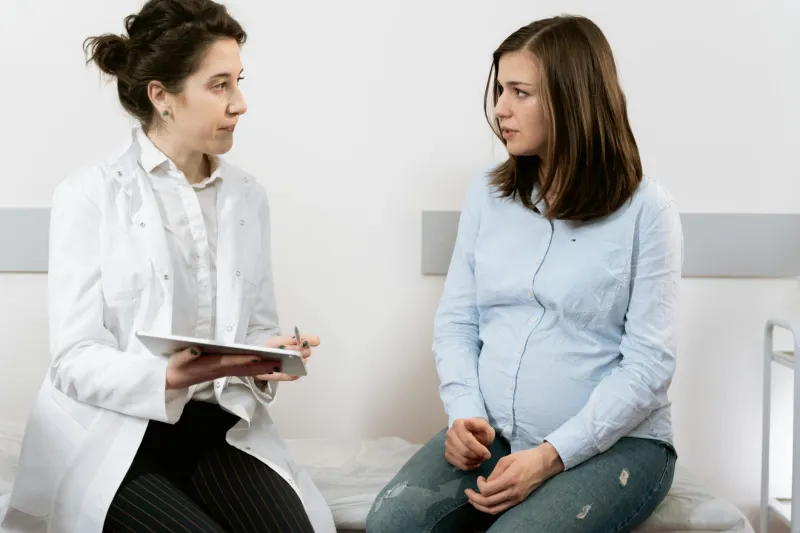
Let's start with what you can realistically expect from your local NHS provision. Most trusts offer group sessions running over 6-8 weeks, typically held in community centres or hospital meeting rooms. The curriculum is fairly standardised across the UK, covering essential practical information about labour, pain relief options, and basic newborn care.
Sarah from Manchester, who attended both types of classes, explains: "The NHS sessions were brilliant for understanding the medical side of things. We learned about different types of intervention, what happens if you need a caesarean, and practical stuff like nappy changing. But when it came to actually preparing mentally for labour, it felt quite clinical."
NHS classes excel at providing comprehensive medical information. You'll understand your pain relief options, from gas and air through to epidurals. The midwives running these sessions are experienced and knowledgeable about local hospital policies, which proves invaluable when you're navigating your birth preferences within the NHS system.
However, many mums report that NHS classes focus heavily on what can go wrong, rather than building confidence for what can go right. The approach tends to be more informational than transformational.
The Hypnobirthing Experience: A Different Philosophy
Hypnobirthing courses, whether private or through organisations like the Hypnobirthing Association, take a fundamentally different approach. Rather than focusing primarily on medical procedures, these courses centre on your body's natural ability to birth and your mind's power to influence that process.
Emma from Bristol, who attended KGHypnobirthing classes during her second pregnancy, noticed the contrast immediately: "In my NHS class with my first baby, we spent ages looking at pictures of forceps and discussing epidurals. In hypnobirthing, we spent time understanding how fear affects labour and learning breathing techniques that actually work."
Typical hypnobirthing courses run over 4-5 sessions and include relaxation techniques, positive birth affirmations, partner massage, and detailed explanation of how your body works during labour. The language is different too – contractions become 'surges', and pain becomes 'intensity'.
Crucially, hypnobirthing courses typically involve partners much more actively. Rather than sitting through lectures about medical procedures, partners learn specific techniques to support you during labour, from guided relaxation scripts to massage techniques.
Where the Real Differences Lie
Pain Management Philosophy
The most significant difference lies in how each approach views labour pain. NHS classes present pain as inevitable and focus on medical management options. Hypnobirthing suggests that much of labour's intensity comes from fear and tension, and teaches techniques to work with your body rather than against it.
Neither approach is wrong, but they prepare you for quite different birth experiences. If you're hoping for a natural birth with minimal intervention, hypnobirthing's focus on relaxation and breathing techniques proves more relevant. If you're concerned about complications or prefer to understand all medical options thoroughly, NHS classes provide essential information.
Partner Preparation
This is where many couples notice the biggest gap. NHS classes often treat partners as observers who might hold your hand and time contractions. Hypnobirthing transforms partners into active birth supporters with specific skills and techniques.
James from Leeds, whose partner attended both types of classes, reflects: "After the NHS classes, I felt like I'd be pretty useless during labour except for driving to the hospital. After hypnobirthing, I had actual tools to help my wife cope."
Birth Environment and Choices
NHS classes typically prepare you for hospital birth within the NHS system, which makes perfect sense given that's where most UK births occur. However, they may not adequately prepare you for advocating for your preferences within that system.
Hypnobirthing courses spend considerable time on birth preferences and how to communicate effectively with medical staff. This proves invaluable whether you're birthing in an NHS hospital, birth centre, or at home.
The Case for Doing Both
Interestingly, many of the mums we spoke with found the combination of both approaches most valuable. The NHS classes provided essential practical knowledge about the medical aspects of birth and newborn care, while hypnobirthing gave them confidence and coping strategies.
Lucy from Cardiff explains: "I needed to understand what an episiotomy was and when I might need one – that's what NHS classes gave me. But I also needed to believe I could birth my baby without fear – that's what hypnobirthing provided."
Making Your Choice
Consider your priorities and birth vision when deciding between these approaches. If you're planning a hospital birth and want comprehensive medical information, NHS classes are essential. If you're hoping for a natural, intervention-free birth and want to develop coping strategies, hypnobirthing offers invaluable preparation.
For many UK families, the ideal preparation combines both approaches – using NHS classes for practical knowledge and hypnobirthing for emotional and mental preparation. Remember, you're not choosing between right and wrong options; you're choosing what best supports your individual birth vision and helps you feel confident and prepared for welcoming your baby.
Ultimately, the most important factor is that you feel informed, supported, and confident as you approach your birth experience. Whether that comes through NHS provision, private hypnobirthing courses, or a combination of both depends entirely on what resonates with you and your partner.