The Numbers Don't Lie: Britain's Birth Preferences Are Shifting
Something remarkable is happening in British delivery suites. For the first time in decades, NHS maternity data shows a measurable decline in epidural usage across multiple trusts, while requests for alternative pain management support – including hypnobirthing techniques – are steadily climbing.
The latest NHS Digital statistics paint a compelling picture: epidural rates have dropped from 33% to 28% nationally over the past three years, while birth pool usage has increased by 40% in the same period. More tellingly, patient feedback surveys show a 60% increase in women specifically requesting "natural pain management support" during their birth planning consultations.
But what's driving this shift? And more importantly, what does it mean for expectant parents navigating their birth choices in 2024?
Beyond the Headlines: What the Data Really Shows
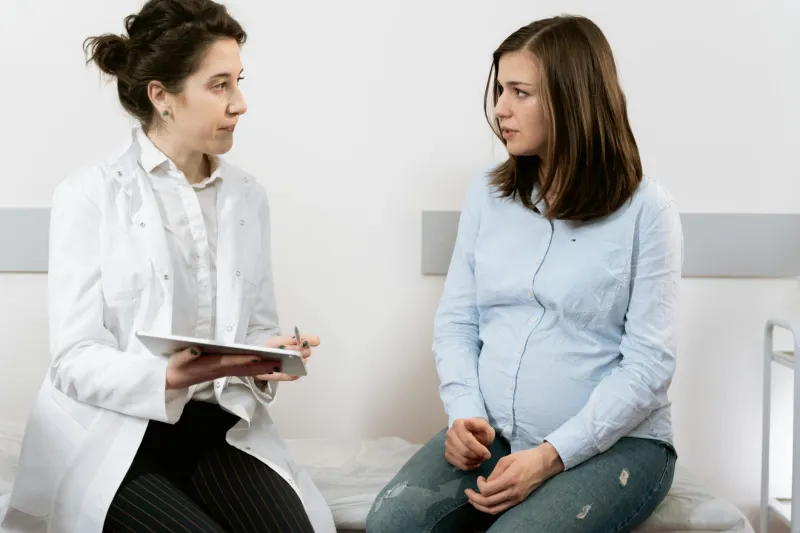
Dr. Sarah Mitchell, a consultant obstetrician at Birmingham Women's Hospital, has witnessed this change firsthand. "We're seeing women arrive more informed and more confident about their natural coping abilities," she explains. "It's not anti-medical sentiment – these women aren't refusing all interventions. They're making educated choices about when and how to use medical pain relief."
 Photo: Dr. Sarah Mitchell, via www.healthysupplements.us
 Photo: Birmingham Women's Hospital, via s3-media4.fl.yelpcdn.com
The statistics support her observation. While epidural usage is declining, the data shows this isn't translating to higher emergency intervention rates or negative birth experiences. In fact, patient satisfaction scores have remained stable or improved across most trusts reporting decreased epidural usage.
This suggests something more nuanced than a simple rejection of medical pain relief. Women aren't choosing to suffer – they're choosing to trust their bodies' natural capabilities while keeping medical options available when needed.
The Hypnobirthing Factor
The rise in natural birth preferences coincides perfectly with the mainstream adoption of hypnobirthing techniques across the UK. What began as an alternative approach practiced by a dedicated few has evolved into something approaching standard preparation for many British women.
"Five years ago, I might see one woman per month who'd done hypnobirthing preparation," says midwife Jane Thompson from a busy London teaching hospital. "Now it's closer to one in three, and the difference in their labour experience is remarkable. They arrive calmer, they cope better with intensity, and they're more collaborative partners in their care."
The correlation isn't accidental. Hypnobirthing education explicitly teaches women that pain relief exists on a spectrum, and that effective natural techniques can significantly reduce the need for medical intervention. This isn't about ideology – it's about informed choice and practical preparation.
Regional Variations Tell an Interesting Story
The shift isn't uniform across the UK. Areas with higher uptake of antenatal education programmes show more pronounced decreases in epidural usage. Scotland, with its robust community midwifery programme, leads the trend with epidural rates dropping to 24% – the lowest in the UK.
Conversely, regions with limited antenatal education resources show minimal change in pain relief preferences, suggesting that education and preparation play crucial roles in women's confidence to choose natural approaches.
This geographic variation highlights an important point: the move toward natural birth isn't happening in a vacuum. It's supported by better education, improved midwifery care, and crucially, women feeling genuinely informed about their options.
The Economic Angle
NHS administrators are taking notice of these trends for practical reasons. Epidurals require anaesthetist presence, continuous monitoring, and often longer hospital stays. Natural birth approaches, when successful, reduce these resource demands significantly.
"A woman who's prepared with effective natural pain management techniques typically requires less medical intervention overall," explains NHS midwifery manager Patricia Wells. "This isn't about cost-cutting – it's about efficient use of resources that allows us to provide better care where it's most needed."
The financial implications are substantial. Early calculations suggest that a 10% reduction in epidural usage could free up approximately £2.3 million annually across the NHS – resources that can be redirected to improving overall maternity care.
What's Driving Individual Choice?
Behind the statistics are individual women making personal decisions about their birth experiences. The reasons for choosing natural approaches are varied and thoughtful:
Mobility concerns: Many women want to remain mobile during labour, something that's limited with epidural anaesthesia.
Recovery considerations: Avoiding epidurals can mean faster recovery and earlier mobilisation after birth.
Birth experience priorities: Some women specifically want to feel the sensations of birth, viewing them as integral to the experience.
Previous experiences: Women who've had positive natural births often choose the same approach for subsequent pregnancies.
Partner involvement: Natural birth techniques often provide more active roles for birth partners, creating shared rather than medical experiences.
The Balanced Perspective
It's crucial to note that this trend toward natural approaches doesn't represent a wholesale rejection of medical pain relief. The most significant finding in recent NHS data is the increase in what researchers term "flexible pain management" – women using natural techniques as their primary approach while remaining open to medical options when needed.
"We're seeing more nuanced decision-making," observes Dr. Mitchell. "Women might labour naturally for hours, then choose an epidural for the final stage. Or they might use gas and air alongside their breathing techniques. It's not either-or anymore – it's about having the full toolkit available."
Looking Forward: What This Means for UK Maternity Care
The implications of this shift extend beyond individual birth experiences. NHS trusts are responding by investing more heavily in midwifery training for natural pain management support, expanding birth pool facilities, and integrating complementary approaches into standard care pathways.
Some trusts are piloting programmes where hypnobirthing education is offered as part of standard antenatal care, rather than as a separate private service. Early results suggest this approach could further accelerate the trend toward informed, confident natural birth choices.
The Bottom Line
The declining epidural rates across the NHS don't signal a retreat from modern medicine – they represent an evolution toward more personalised, informed birth care. Women are choosing natural approaches because they feel prepared, supported, and confident in their abilities.
This shift reflects broader changes in how we think about birth in Britain. Rather than viewing labour as a medical emergency requiring maximum intervention, we're returning to understanding birth as a natural process that benefits from support, preparation, and judicious use of medical technology when truly needed.
For expectant parents reading these statistics, the message is encouraging: you have more genuine choice than ever before. Whether you ultimately choose natural techniques, medical pain relief, or a combination of both, the key is feeling informed, prepared, and supported in whatever decision feels right for your family.
The revolution isn't about rejecting medical care – it's about reclaiming confidence in our natural capabilities while keeping all options open. And according to the NHS data, British women are leading this change with remarkable success.