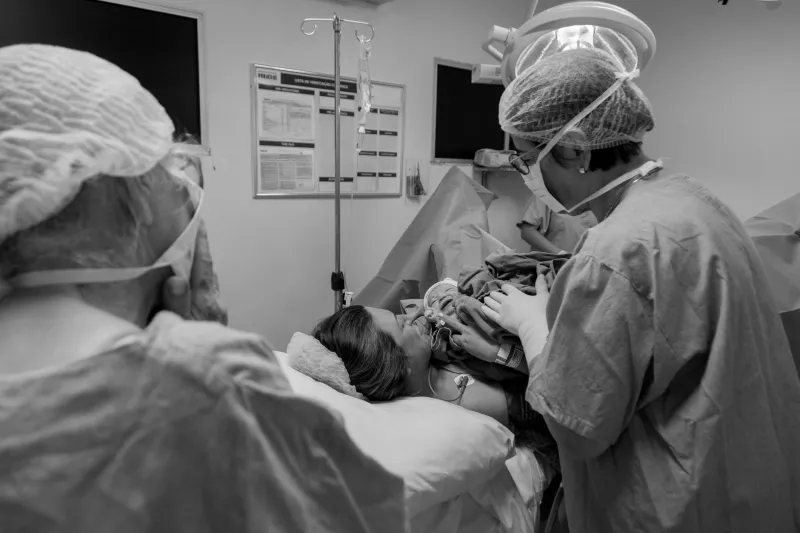
Picture this: you've spent months preparing for your perfect natural birth. You've practised your breathing, memorised your affirmations, and packed your essential oils. Then you arrive at your local NHS hospital and hear those words that make your heart skip: "We need to induce you" or "Baby's heart rate is concerning us."
Sudenly, that carefully crafted birth plan feels about as useful as a chocolate teapot.
Here's the truth every expectant mum needs to hear: birth is unpredictable, and that's completely normal. What matters isn't sticking rigidly to your original vision—it's having the tools to stay calm, centred, and connected to your power, whatever direction your birth takes.
The Flexible Mindset: Your Greatest Hypnobirthing Asset
Hypnobirthing isn't about achieving a specific type of birth. It's about cultivating a mindset that serves you regardless of circumstances. Think of it as emotional insurance—you hope you won't need it, but you're incredibly grateful to have it when things don't go to plan.
When your NHS midwife suggests a change in direction, your hypnobirthing training becomes your anchor. The breathing techniques that helped you relax during pregnancy? They work just as well when you're processing unexpected news. The visualisation skills you've developed? Perfect for imagining yourself coping beautifully with whatever comes next.
Anchoring Techniques for Sudden Changes
Anchoring is your secret weapon when birth takes a sharp left turn. This technique involves creating a physical or mental trigger that instantly connects you to your calm, confident state.
Before any intervention begins, take a moment to establish your anchor. This might be:
- Placing your hand on your heart whilst taking three deep breaths
- Squeezing your partner's hand in a specific pattern
- Repeating a simple phrase like "I trust my body and my baby"
- Visualising roots growing from your feet into the hospital floor
Practise using your anchor during quieter moments throughout labour. When things intensify or change direction, you'll have an instant pathway back to your centre.
Breathing Through Medical Interventions
Whether you're facing an induction, instrumental delivery, or caesarean section, your breath remains your most powerful tool. Here's how to adapt your breathing techniques for different scenarios:
During Induction
Syntocin drips can make surges more intense than your body might naturally create. Counter this by extending your out-breath, making it longer than your in-breath. This activates your parasympathetic nervous system, helping your body work with the artificial hormones rather than fighting against them.
For Instrumental Delivery
If forceps or ventouse are needed, focus on "breathing your baby down" rather than holding your breath and pushing. Visualise your breath creating space for your baby to emerge safely, working in partnership with the medical team.
Preparing for Caesarean
If surgery becomes necessary, use counted breathing to stay present. Count your breaths from one to ten, then start again. This gives your mind something to focus on whilst preventing anxiety from spiralling.
Visualisation When Plans Change
Your visualisation practice doesn't become redundant when medical intervention is needed—it simply adapts. Instead of visualising your original birth scenario, create new mental images that embrace your current situation.
For an emergency caesarean, you might visualise:
- A beautiful, safe bubble surrounding you and your baby
- Skilled surgical hands working as instruments of healing
- Your baby's first cry filling the operating theatre with joy
- Your partner's face when they first see your child
These positive visualisations help reframe medical intervention from something happening "to" you into something happening "for" you and your baby.
Communication: Your Voice in Changing Circumstances
Hypnobirthing teaches us to trust our instincts, and this includes knowing when and how to communicate with your NHS care team. When circumstances change, you have the right to:
- Ask for time to process information (unless it's a genuine emergency)
- Understand why intervention is being recommended
- Explore alternatives or modifications
- Request your preferred support person remains with you
Use your calm, hypnobirthing voice to ask questions like: "Can you help me understand why this is the safest option?" or "What would happen if we waited another hour?"
Redefining Success in Birth
Perhaps the most important hypnobirthing principle when birth changes direction is redefining what constitutes a "successful" birth. Success isn't about ticking boxes on your birth plan—it's about:
- You and your baby being safe and healthy
- Feeling informed and respected throughout your experience
- Using your coping tools effectively
- Maintaining connection with your partner and baby
- Approaching each decision from a place of calm rather than fear
Your Post-Birth Reflection
After your baby arrives, regardless of how they made their entrance, take time to acknowledge your strength. You navigated uncertainty with grace. You used your hypnobirthing tools when you needed them most. You brought your baby earthside safely.
Every birth that results in a healthy mum and baby is a successful birth, full stop. Your hypnobirthing practice didn't fail if you needed intervention—it supported you through whatever your unique journey required.
Moving Forward with Confidence
Remember, hypnobirthing is about working with your body and your circumstances, not against them. When birth takes an unexpected turn, you're not abandoning your principles—you're demonstrating the ultimate hypnobirthing skill: flexibility, trust, and maintaining your inner calm when the outside world becomes unpredictable.
Your birth story might not look exactly like you imagined, but with your hypnobirthing toolkit, it can still be a story of strength, courage, and beautiful beginnings.